
Quick Links: Occupational Therapy | Physical Therapy | Speech Therapy | Dietitian ServicesOccupational Therapy
The goal of occupational therapy is to improve the daily function and quality of life of children and adults across the lifespan. Occupational therapists aim to increase independence and participation in the activities and roles their clients care most about. OTs are great at thinking of creative solutions to complex problems by modifying the way tasks are performed or by making adjustments to the environments in which they take place.

Children
Executive functioning: attention, organization, homework, and study skills
Fine motor skills: pencil grasp, cutting, buttoning, and using utensils
Handwriting: pre-writing and writing skills
Feeding skills
Dressing and self-care skills
Play and social skills
Developmental milestones
Emotion regulation
Adults
Hand therapy after injury
Aging in place
Parkinson’s disease and neurological conditions
Cognitive rehabilitation and memory strategies
Activities of Daily Living (ADLs)
Ergonomics and workplace modifications
Caregiver training
Leisure exploration
Time management and organization
Speech Therapy

Let's talk about it! Speech-language pathologists (SLPs) emphasize the importance of communication and are passionate about helping children and adults achieve their fullest communication potential. Whether improving speech sound production, supporting language development, or addressing other communication challenges, SLPs utilize a wide range of evidence-based strategies to help individuals communicate with confidence and connect meaningfully with others.
Children
Language development
Articulation (speech sound production)
Fluency (ex. stuttering)
Oral motor, feeding, and swallowing
Language comprehension
Expressive language
Social communication skills
Alternative and Augmentative Communication (AAC): communication boards and speech devices
Adults
Speech and language disorders
Memory and communication strategies
Voice disorders
Fluency (stuttering)
Swallowing disorders (dysphagia)
Communication following stroke, brain injury, or neurological conditions
Accent modification/reduction
Physical Therapy
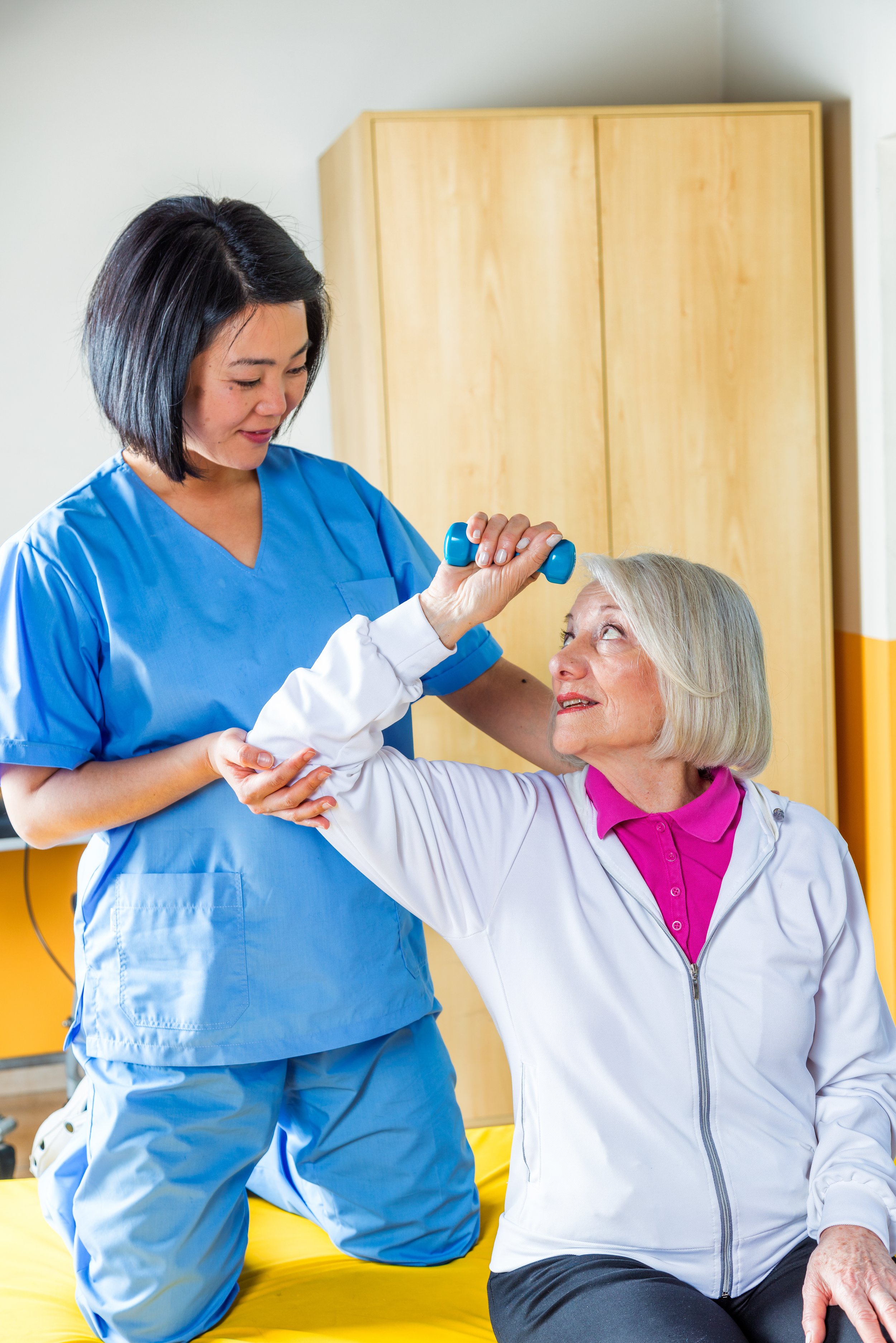
Physical therapists aim to improve the quality of life of children and adults by improving movement, strength, endurance, and reducing pain. They help individuals maximize their independence and participation in everyday activities through movement, exercise, education, and individualized treatment.
Children
Motor developmental milestones: crawling, walking, jumping, and running
Balance and coordination
Strength and endurance
Gross motor skills
Sports injuries and injury prevention
Adults
Strength and endurance
Joint and muscle pain management
Post-operative rehabilitation
Balance and fall prevention
Promoting healthy and safe aging
Safe use of assistive equipment: wheelchairs, walkers, canes, and shower chairs
Neurological rehabilitation following stroke, traumatic brain injury, Parkinson’s disease, multiple sclerosis
Dietitian Services

Dietitians help children and adults develop healthy, sustainable eating habits that support growth, health, and overall well-being. They provide individualized nutrition guidance tailored to each person's unique needs, medical conditions, and lifestyle. Whether supporting picky eaters, managing chronic health conditions, or optimizing nutrition throughout different stages of life, dietitians empower individuals and families to make informed food choices and build a positive relationship with eating.
Children
Picky eating
Feeding difficulties
Growth and nutrition concerns
Nutritional support for chronic medical conditions
Healthy eating habits
Positive relationship with food and body
Intuitive eating approach
Adults
Diabetes and blood sugar management
Heart-healthy nutrition
Gastrointestinal conditions (e.g., IBS, Crohn's disease, ulcerative colitis)
Women's health (pregnancy, postpartum, and menopause)
Healthy aging
Nutrition for chronic medical conditions